
Livin’ Fat
by Judi Ann Mason
“a soul farce force”
(‘Stage: ‘Livin’ Fat’ Opens’ by Richard Eder)
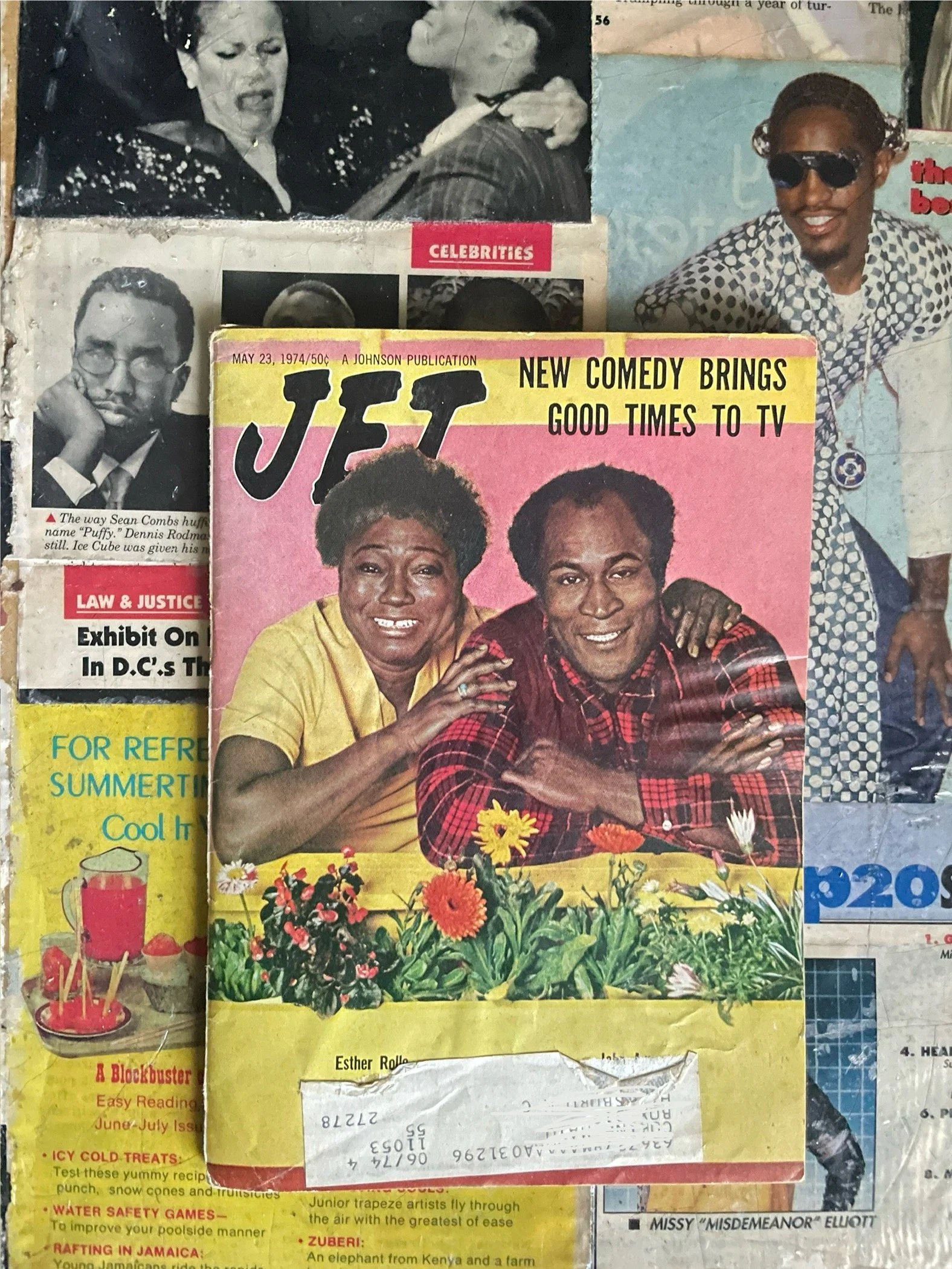
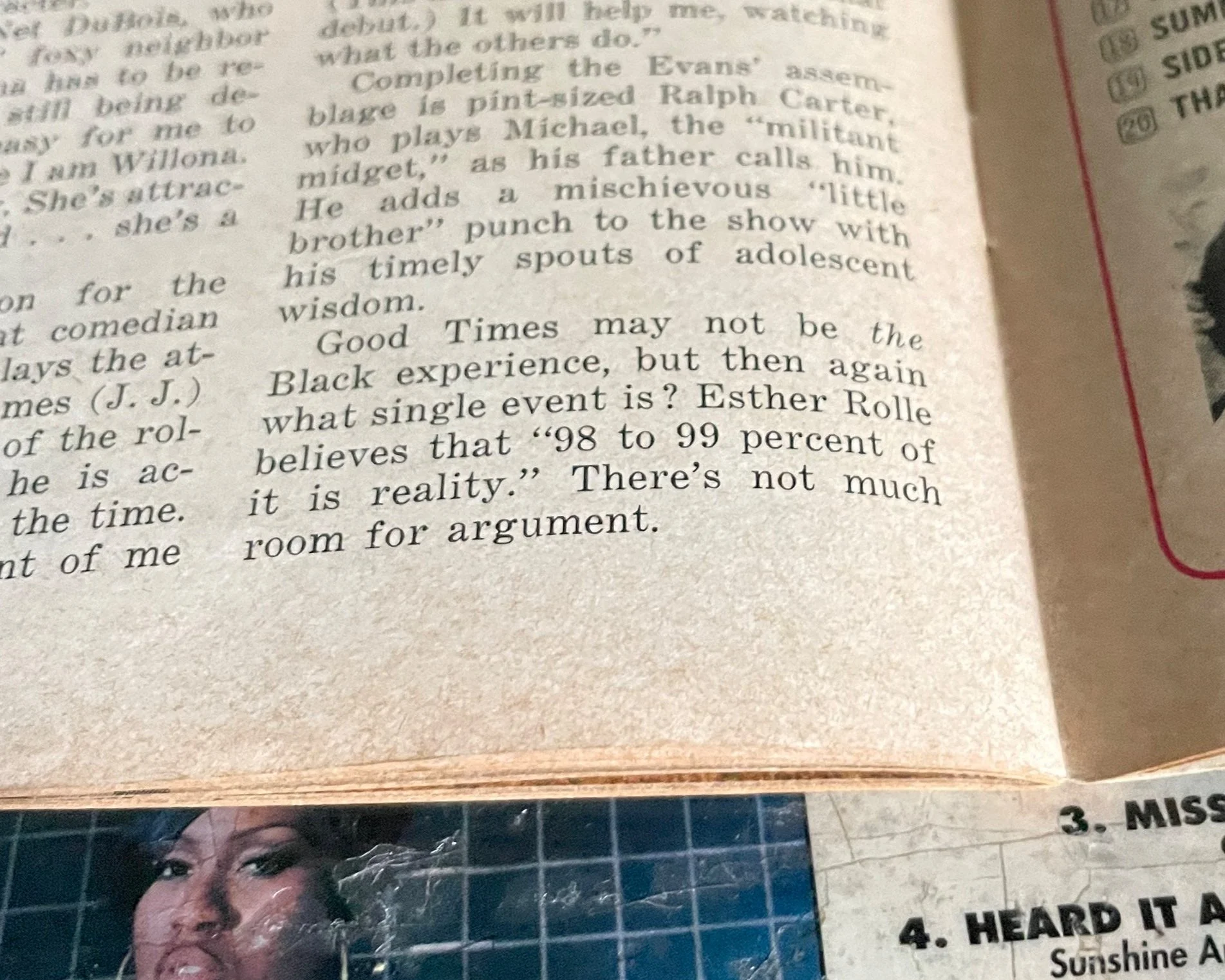
Judi Ann Mason’s ‘Livin’ Fat’ premiered in 1976, echoing popular comedies of the time like ‘Good Times,’ a TV sitcom for which she would later write.
highlights from
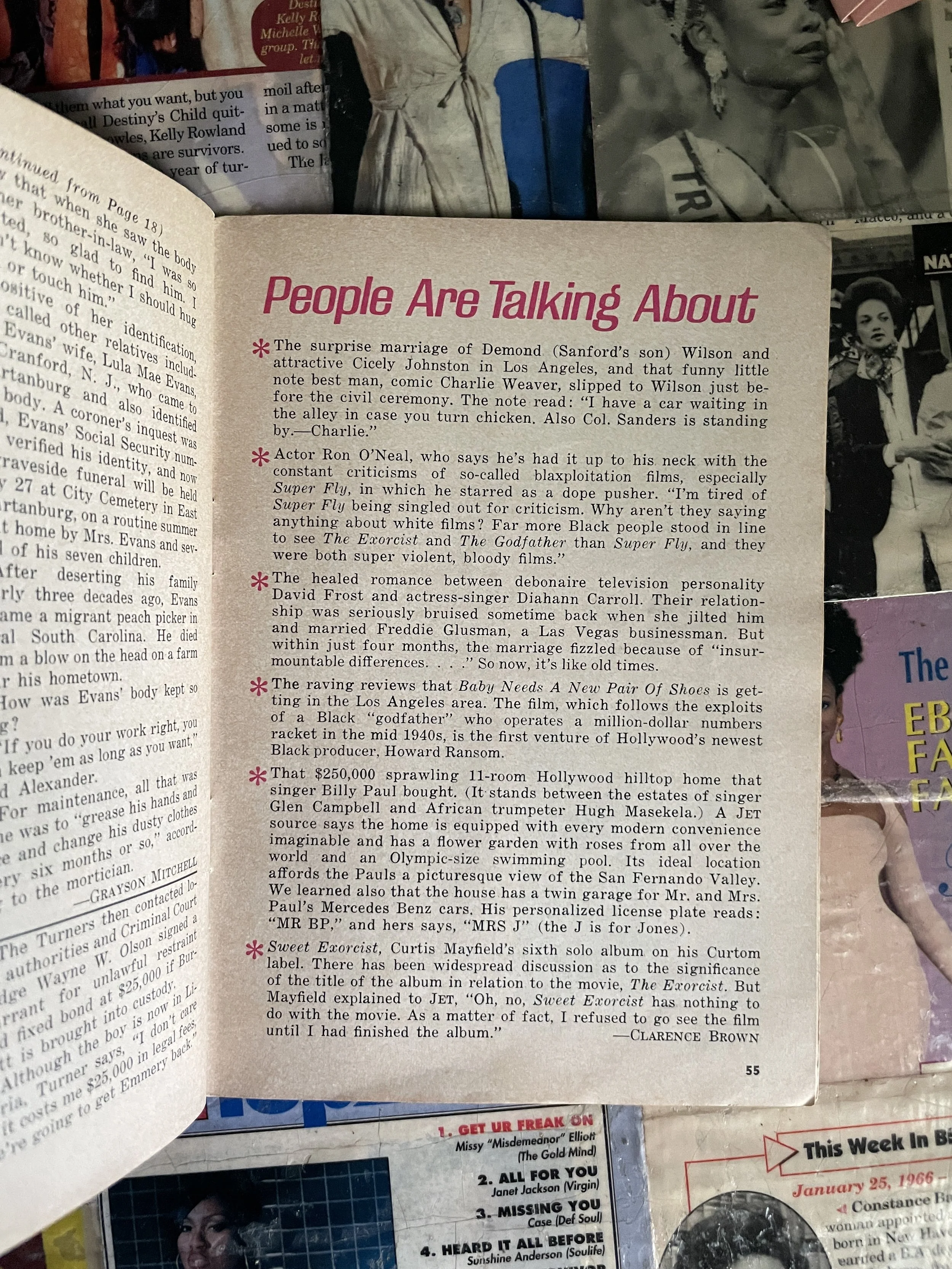
People Are Talking About
-
“The surprised marriage of Desmond (Sandford’s son) Wilson and attractive Cicely Johnston in Los Angeles, and that funny little note best man, comic Charlie Weaver, slipped to Wilson just before the civil ceremony. The note read: “I have a car waiting in the alley in case you turn chicken. Also Col. Sanders is standing by.— Charlie.”
-
“Actor Ron O’Neal, who says he’s had it up to his neck with the constant criticisms of so-called blaxploitation films, especially Super Fly, in which he starred as a dope pusher. “I’m tired of Super Fly being singled out for criticism. Why aren’t they saying anything about white films? Far more Black people stood in line to see The Exorcist and The Godfather than Super Fly, and they were both super violent, bloody films.”
-
“The raving reviews that Baby Needs A New Pair Of Shoes is getting in the Los Angeles area. The film, which follows the exploits of a Black “godfather” who operates a million-dollar numbers racket in the mid 1940s, is the first venture of Hollywood’s newest Black producer, Howard Ransom.”
(most relevant) Words of the Week
(most relevant) Words of the Week
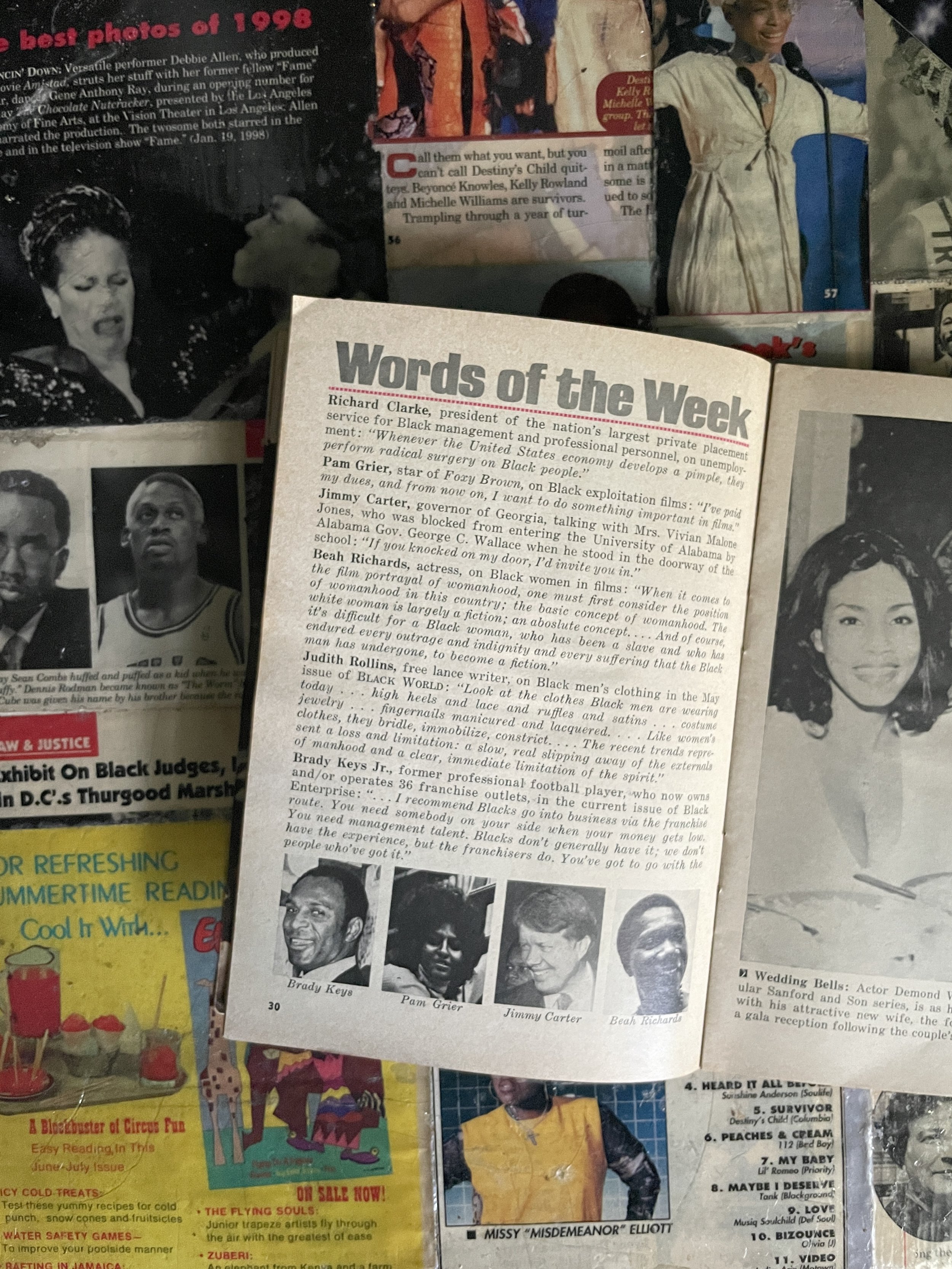
“Look at the clothes Black men are wearing today... high heels and lace and ruffles and satins... costume jewelry... fingernails manicured and lacquered... Like women’s clothes, they bridle, immobilize, constrict... The recent trends represent a loss and limitation: a slow, real slipping away of the externals of manhood and a clear immediate limitation of the spirit.”
“When it comes to the film portrayal of womanhood, one must first consider the position of womanhood in this country; the basic concept of womanhood. The white woman is largely a fiction; and absolute concept... And of course it’s difficult for a Black woman, who has been a slave and who has endured every outrage and indignity and every suffering that the Black man has undergone, to become a fiction.”
The characters we meet in Livin’ Fat are not much different than those we meet in Good Times. It is the impoverished Black family— a familiar, singular depiction of Black family life.
“I’ve paid my dues, and from now on, I want to do something important in films.”